 Games Posts, Issues, Answers
Scoville google game
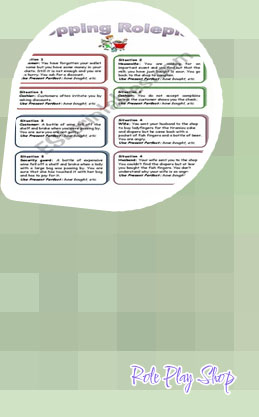
Role-playing shops can be a fun and engaging way to enhance children's social skills, creativity, and imagination. Whether it's pretending to be a cashier, a customer, or a store manager, role-playing shops can provide endless opportunities for learning and play. To help you make the most of this activity, here are four articles that offer valuable tips and ideas for setting up and running a successful role-playing shop with children.
10 Role-Play Ideas for Kids to Boost Social Skills
"10 Role-Play Ideas for Kids to Boost Social Skills" is a comprehensive and insightful guide on how to help children develop essential social skills through engaging role-play activities. The article offers a variety of creative scenarios that can be easily implemented at home or in a classroom setting, making it a valuable resource for parents, teachers, and caregivers.
One of the key strengths of this article is its emphasis on the importance of social skills in children's overall development. By engaging in role-play, kids can practice important skills such as communication, empathy, and problem-solving in a fun and interactive way. The scenarios provided are not only entertaining but also educational, helping children learn how to navigate different social situations effectively.
Furthermore, the article offers practical tips on how to set up and facilitate role-play sessions, making it easy for parents and educators to incorporate these activities into their daily routines. The suggested scenarios are diverse and cater to a range of ages and interests, ensuring that there is something for every child to enjoy.
In conclusion, "10 Role-Play Ideas for Kids to Boost Social Skills" is a valuable resource for anyone looking to help children develop essential social skills in a fun and engaging way. By incorporating these role-play activities into their daily lives, parents and educators can help children build confidence
How to Set Up a Role-Playing Shop in Your Classroom
Role-playing is a valuable tool in education that allows students to actively engage in learning through immersive experiences. "How to Set Up a Role-Playing Shop in Your Classroom" offers educators a step-by-step guide on creating a role-playing shop that can be used to teach a variety of subjects.
The book provides detailed instructions on how to set up the physical space for the shop, including suggestions for props and decorations to enhance the immersive experience. It also offers guidance on how to introduce the concept of role-playing to students and how to assign roles to each student in the shop.
One of the key benefits of using a role-playing shop in the classroom is that it encourages creativity and collaboration among students. By assuming different roles and interacting with their peers in a simulated environment, students can develop important social and communication skills. Additionally, role-playing can make learning more engaging and memorable, as students are actively involved in the learning process.
Overall, "How to Set Up a Role-Playing Shop in Your Classroom" is a valuable resource for educators looking to incorporate innovative teaching methods into their classrooms. By following the practical advice and tips provided in the book, teachers can create a dynamic learning environment that stimulates students' imagination and fosters a love for learning.
The Benefits of Role-Playing Shops for Children's Development
Role-playing shops are an excellent way to promote children's development in a fun and interactive way. These pretend play activities provide numerous benefits for children's social, emotional, cognitive, and physical development.
One of the key benefits of role-playing shops is the promotion of social skills. Children learn how to communicate, cooperate, and negotiate with others while playing different roles such as shopkeeper, customer, or cashier. This helps them develop important social skills that are essential for building relationships and working effectively in groups.
Role-playing shops also help children develop their emotional intelligence by allowing them to express and regulate their emotions in a safe and supportive environment. Through role-playing, children learn to empathize with others, understand different perspectives, and develop problem-solving skills.
From a cognitive perspective, role-playing shops help children enhance their creativity, imagination, and critical thinking skills. Children use their imaginations to create scenarios, make decisions, and solve problems, which stimulates their cognitive development and fosters a love for learning.
Additionally, role-playing shops offer physical benefits as children engage in hands-on activities that promote fine motor skills, hand-eye coordination, and spatial awareness. By handling play money, sorting items, and engaging in pretend play, children improve their physical dexterity and coordination.
Role-Playing Shop: Tips for Encouraging Creativity and Imagination
Role-playing shops are a fantastic way to foster creativity and imagination in children. These unique stores offer a wide range of costumes, props, and accessories that allow kids to step into different roles and explore their creative side. By encouraging children to pretend play and use their imagination, role-playing shops can help develop important skills such as problem-solving, critical thinking, and social interaction.
One tip for encouraging creativity and imagination in role-playing shops is to provide a variety of themed costumes and props. This allows children to choose different roles and scenarios to act out, sparking their imagination and keeping them engaged. Additionally, creating a space within the shop where kids can freely explore and interact with the costumes and props can enhance the experience and encourage creative play.
Another tip is to incorporate storytelling into the role-playing experience. Encouraging children to create their own narratives and scenarios while they play can help them develop their storytelling skills and enhance their creativity. Role-playing shops can also host themed events or workshops that encourage children to collaborate and create stories together, fostering teamwork and communication skills.
In conclusion, role-playing shops are a valuable resource for encouraging creativity and imagination in children. By providing a variety of costumes, props, and storytelling opportunities, these shops can help children develop important skills while having fun and exploring their creativity